Heat, altitude and performance: using the environment on a limited budget without risking your health
How to use heat, hills, trails and altitude with gradual progression and attention to your body's response, without turning the environment into uncontrolled stress.
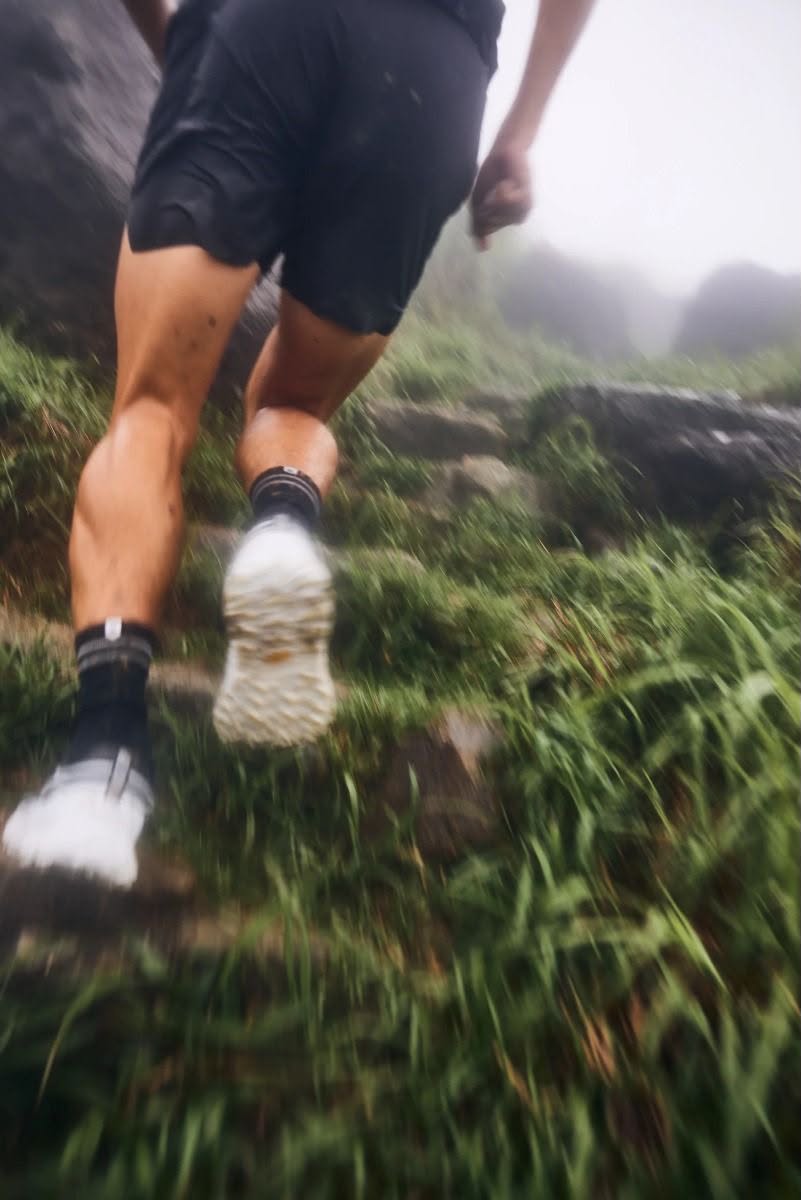
Modern physical preparation often seems to belong to those who have a laboratory, an altitude chamber, a physiologist, a lactate test, an anti-gravity treadmill and a multidisciplinary team. But there is an important truth: the environment is also a training tool. Heat, climb, trail, wind, humidity, uneven ground and altitude can create real physiological stimuli, as long as they are used with control. For the athlete with fewer resources, this does not mean copying extreme elite methods or turning suffering into a science. It means understanding how the body reacts when oxygen is lower, when the temperature is higher and when cardiovascular effort increases. In the VETOR method, the environment is neither the enemy nor a miracle; is a load variable. And every load variable needs to be measured, progressive and respected.
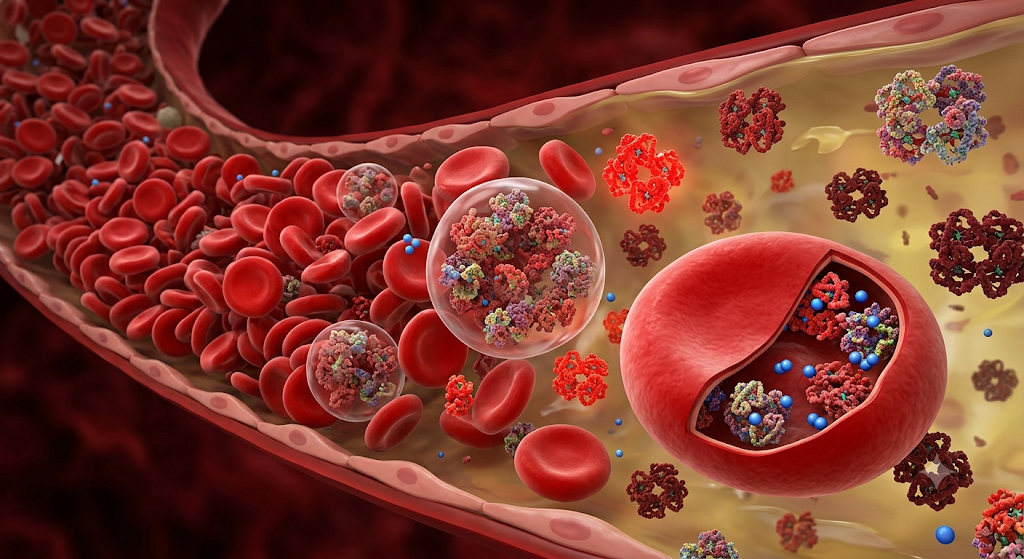
Altitude works mainly through a concept called hypoxia, which means less oxygen availability to the body. At higher altitudes, barometric pressure drops and, even though the percentage of oxygen in the air remains similar, less oxygen actually reaches the lungs and blood. The body responds by increasing ventilation, heart rate and, with sufficient exposure, signaling greater production of erythropoietin, or EPO, a hormone that stimulates the production of red blood cells. These blood cells carry hemoglobin, the protein that carries oxygen. So you are right in the general idea: altitude can increase oxygen transport capacity by increasing hemoglobin mass, but this is not guaranteed to happen on any mountain trip. The answer depends on altitude, exposure time, sleep, iron, available energy, recovery and genetics. Reviews of “live high, train low” show potential for physiological and performance improvements, but also make it clear that there is great individual variation. (PMC)
The most famous model is “live high, train low”, or “live high and train low”. The idea is to sleep and spend many hours at altitude to stimulate adaptations in the blood, but train at a lower altitude to maintain intensity and quality. This is important because training hard at altitude can be difficult: pace drops, power drops, recovery worsens and the athlete can turn a quality session into survival. Studies and reviews suggest that exposure for a few weeks can increase hemoglobin mass and improve performance in some athletes, especially when the altitude dose is sufficient. A classic study with endurance athletes showed an increase in erythropoietic activity, total hemoglobin and red cell volume after three weeks of traditional altitude, while another analysis linked changes in hemoglobin mass with improved performance. (PMC) For VETOR, the practical reading is simple: altitude can work, but it needs time, strategy and recovery. A weekend running up hills can be a great mental and muscular workout, but it shouldn't be sold as a real increase in hemoglobin.
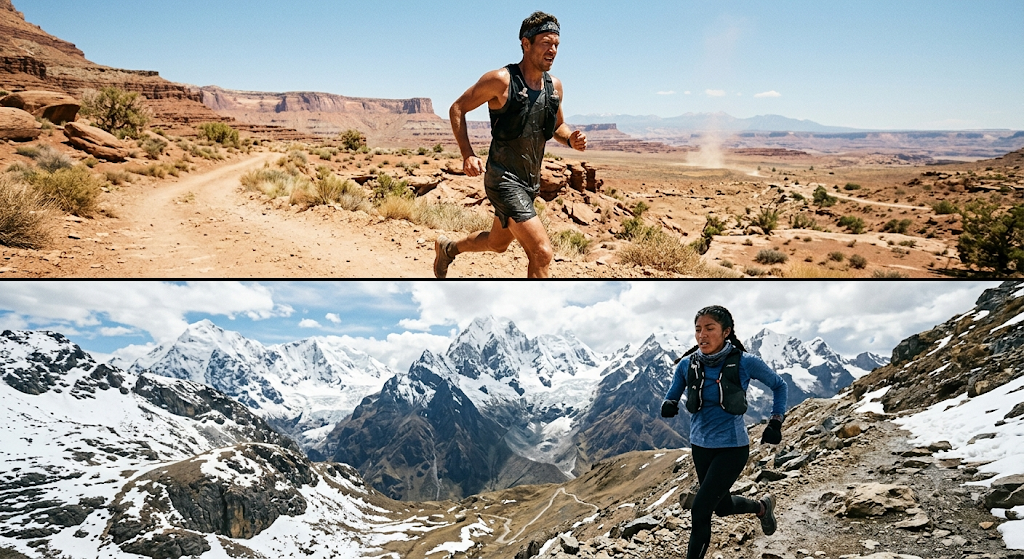
For the low-income athlete, the realistic version of altitude is not necessarily living in Boulder, Sierra Nevada, Iten or Font Romeu. It can be using climbs, trails, stairs, hills and uneven terrain as partial replacements for cardiovascular and muscular load. This does not perfectly replicate altitude hypoxia, but it creates a very useful stimulus: greater relative strength demand, greater work on the calves, glutes, hamstrings, quadriceps, foot stabilizers and respiratory control. Climbing reduces impact compared to very aggressive flat shots, but increases muscular and cardiovascular cost. In VETOR, this athlete could use short hill sessions for aerobic power, incline walks for base, trails for endurance, and long hills for specific strength. Scientific honesty is important: climb training is not the same as true altitude, but it can be a cheap and efficient tool for building capacity without relying on expensive technology.
Environment is a burden, not a miracle
Heat, climb and altitude need dose, recovery and stopping rule.
Heat, on the other hand, is perhaps the most accessible “poor man’s altitude training” — but also the most dangerous when misused. Training in a hot environment increases thermal stress: the body needs to send blood to the muscles and, at the same time, to the skin, trying to dissipate heat. This increases heart rate, increases sweating, increases perception of effort and can initially reduce performance. With repeated and controlled exposure, acclimatization to heat occurs: the body starts to sweat earlier and more efficiently, reduces the relative heart rate for the same effort, improves temperature control and can expand the plasma volume, which is the liquid part of the blood. A classic study with trained cyclists showed that 10 days of heat acclimatization improved performance in hot and also in cool environments, possibly due to cardiovascular adaptations such as plasma expansion. (PMC)
The great thing about training in the heat is that it can be accessible. An athlete without money for altitude can use hot weather, indoor training with little ventilation, slightly warmer clothing, or passive exposure like a hot shower post-workout, but all of this needs to be done very carefully. Consensus on training and competition in the heat recommends that acclimatization sessions last long enough to raise body temperature and stimulate sweating, but this does not mean seeking collapse, dizziness or severe dehydration. (PMC) The VETOR application would be progressive: start with 15 to 25 light minutes in a warm environment, observe the response, hydrate, avoid extreme times at the beginning, maintain low intensity and increase the dose slowly. Heat should be an extra layer of stimulation on top of your workout, not a punishment. If the athlete is already doing hard intervals, heavy weight training, sleeping poorly and eating little, adding heat could be the detail that breaks the system.
The most interesting physiological benefit of heat is the improvement of thermoregulation. Thermoregulation is the body's ability to control internal temperature. When it improves, the athlete is able to sustain effort with less uncontrolled elevation in body temperature, less feeling of overheating and better cardiovascular stability. The body can also increase plasma volume, which improves venous return and helps the heart pump blood more efficiently. Some recent research even discusses possible hematological adaptations to prolonged heat, but the evidence is still less clear-cut than the popular narrative suggests. A review on post-exercise passive heat acclimation found that the effect on endurance performance is still uncertain due to low quality or low certainty of available evidence. (Springer Nature) In other words: heat can be very useful, but it should not become an exaggerated promise to “replace altitude” in all cases.
The risks are real. Heat illness is no surprise. Heat exhaustion can cause weakness, nausea, dizziness, headache, decreased performance, chills, very hot skin and inability to continue. Exertional heat stroke, or exertional heat stroke, is a medical emergency: the body temperature rises too much and there can be mental confusion, collapse, neurological changes, organ damage and death. The ACSM consensus emphasizes that exertional heat stroke is a true emergency, with the potential for organ damage and death, requiring rapid recognition and appropriate management. (PubMed) The position of the National Athletic Trainers’ Association also reinforces the importance of recognizing different heat conditions, such as cramps, syncope, exhaustion and heat stroke. (PMC) At VETOR, any training in extreme heat must have a stopping rule: dizziness, confusion, chills, severe nausea, intense headache, very hot skin, loss of coordination or feeling faint end the session.
Altitude also has risks. Acute mountain sickness can appear when a person climbs too quickly or trains too hard before acclimatizing. Symptoms include headache, nausea, dizziness, poor sleep, loss of appetite, disproportionate fatigue and decreased exercise capacity. In severe cases, it can progress to high-altitude pulmonary or cerebral edema, dangerous conditions that require descent and medical care. A review on high altitude illnesses describes that hypoxia can cause sleep disturbances, worsening mental performance, weight loss and reduced exercise capacity. (PMC) This is essential for the athlete to understand: altitude is not just “more hemoglobin”. It can also worsen sleep, reduce intensity, increase fatigue and compromise recovery. If the athlete climbs the mountains, sleeps poorly, eats little and tries to shoot as if he were at sea level, he may end up worse than when he entered.
The smartest strategy for those with few resources is to use an adaptation pyramid. First comes the foundation: sleep, nutrition, hydration, training progression and body listening. Then comes the environment: light heat, climbing, hiking, controlled sun exposure, appropriate clothing, planned schedule and hydration with sodium when there is a lot of sweat. Only then do more aggressive methods come into play. VETOR could turn this into a decision system: if the athlete has poor sleep, elevated resting heart rate, high muscle pain, dizziness, drop in pace or feeling of disproportionate effort, training in heat or altitude should be reduced or removed. If you have recovered well, you can receive a small, controlled dose. The point is not to make the athlete suffer more; is to make the body adapt better.
A practical example: a low-income runner in Brazil, Mexico or the southern US can use 2 light sessions per week in a warm environment, always in zone 1 or low zone 2, starting with 20 to 30 minutes and gradually increasing. You can use climbing once a week, with short sprints or incline walking, depending on the level. You can do long runs at cooler times and leave the heat for controlled sessions, not for the most important workout of the week. You can measure weight before and after to estimate sweat loss, observe urine color, heart rate, perceived exertion and symptoms. You can use water and salt/salty foods when sweating is high, without making the mistake of drinking lots of water and diluting sodium. This is science applied to real life: simple, cheap, but not irresponsible.
VETOR can position itself with a very strong message on this topic: performance should not be the privilege of those with money, but safety cannot be sacrificed in the name of performance. Altitude can improve oxygen transport when there is sufficient exposure and favorable individual response. Heat can improve thermoregulation, plasma volume and exercise tolerance. Climbing can build specific strength and cardiovascular capacity. But extreme is not synonymous with efficient. The athlete needs to know their own body, respect warning signs and understand that adaptation comes from the right dose, not from maximum suffering. The best training is not the most heroic. It's what the body can absorb, repeat and transform into performance.
Reliable sources and what they support
1. Physiological and performance effects of live high train low altitude training — 2023 Narrative review of the “live high, train low” model. He maintains that altitude can bring physiological and performance advantages to endurance athletes, but that the methods vary greatly and the dose of exposure matters.
2. The Effects of Altitude Training on Erythropoietic Response and Hematological Variables — 2018 Explains that one of the objectives of training at altitude is to increase the blood's oxygen transport capacity. The source reinforces that the production of EPO in hypoxia is a key player, but that the response depends on the duration of exposure, degree of hypoxia and other individual factors.
3. Relationship between changes in haemoglobin mass and maximal oxygen uptake after hypoxic exposure — 2013 Important source to connect increased hemoglobin mass with possible improvement in performance. It supports the correctness of your sentence: altitude can increase hemoglobin mass, but it is not automatic or the same for everyone.
4. A three-week traditional altitude training increases erythropoietic activity — 2005 Study with endurance athletes showing that three weeks of traditional altitude training increased erythropoietic activity, total hemoglobin and red cell volume. It supports the idea that altitude needs relevant time, not just an isolated session.
5. Heat acclimation improves exercise performance — Lorenzo et al., 2010 Classic study showing that 10 days of heat acclimatization improved performance in hot and cool environments in trained cyclists. It supports the idea that heat can be a real tool for cardiovascular adaptation and performance.
6. Consensus recommendations on training and competing in the heat — British Journal of Sports Medicine, 2015 Practical source for training in the heat. It recommends that acclimatization sessions last long enough to raise body temperature and stimulate sweating, but within a planned and safe context.
7. Application of evidence-based recommendations for heat acclimation — 2018 Explains that heat acclimatization occurs with repeated exposures that induce thermoregulatory adaptations and improve heat tolerance. Good source to support realistic and progressive protocols.
8. ACSM Expert Consensus Statement on Exertional Heat Illness — 2021 Strong source of security. It states that exertional heat stroke is a medical emergency with a risk of organic damage and death. Supports the need for stop signals, supervision, and responsibility when training in heat.
9. National Athletic Trainers’ Association Position Statement: Exertional Heat Illnesses — 2015 Helps differentiate cramps, syncope, heat exhaustion, and heat stroke. Supports the part of the article that warns that heat illness should not be treated as mental weakness.
10. High-Altitude Illnesses: Physiology, Risk Factors, Prevention, and Treatment — 2011 Useful source for altitude risks. He explains that high altitude hypoxia can cause sleep disturbances, mental worsening, weight loss and reduced exercise capacity. Supports the security and individualization part.
In VETOR, heat and altitude are not magical shortcuts; are physiological stressors. Used progressively, they can improve thermal tolerance, plasma volume, cardiovascular efficiency and, at sufficient altitude, oxygen transport capacity. Used with ego, they can destroy sleep, hydration, recovery, nervous system and health. Real performance does not come from extremes. It comes from the right dose.
Use the environment as a stimulus, not a bet
VETOR helps you decide when heat, climb, trail or altitude fit into the route — and when sleep, hydration or recovery need to come first.
References
- Physiological and performance effects of live high train low altitude trainingPMC
- The Effects of Altitude Training on Erythropoietic Response and Hematological VariablesPMC
- Relationship between changes in haemoglobin mass and maximal oxygen uptake after hypoxic exposurePubMed
- A three-week traditional altitude training increases erythropoietic activityPubMed
- Heat acclimation improves exercise performancePMC
- Consensus recommendations on training and competing in the heatPMC
- Application of evidence-based recommendations for heat acclimationPubMed
- ACSM Expert Consensus Statement on Exertional Heat IllnessPubMed
- National Athletic Trainers' Association Position Statement: Exertional Heat IllnessesPMC
- High-Altitude Illnesses: Physiology, Risk Factors, Prevention, and TreatmentPMC
- Passive post-exercise heat acclimation and endurance performanceSpringer Nature
Educational content. It does not replace medical, nutritional, physiotherapeutic evaluation or individual professional monitoring.